
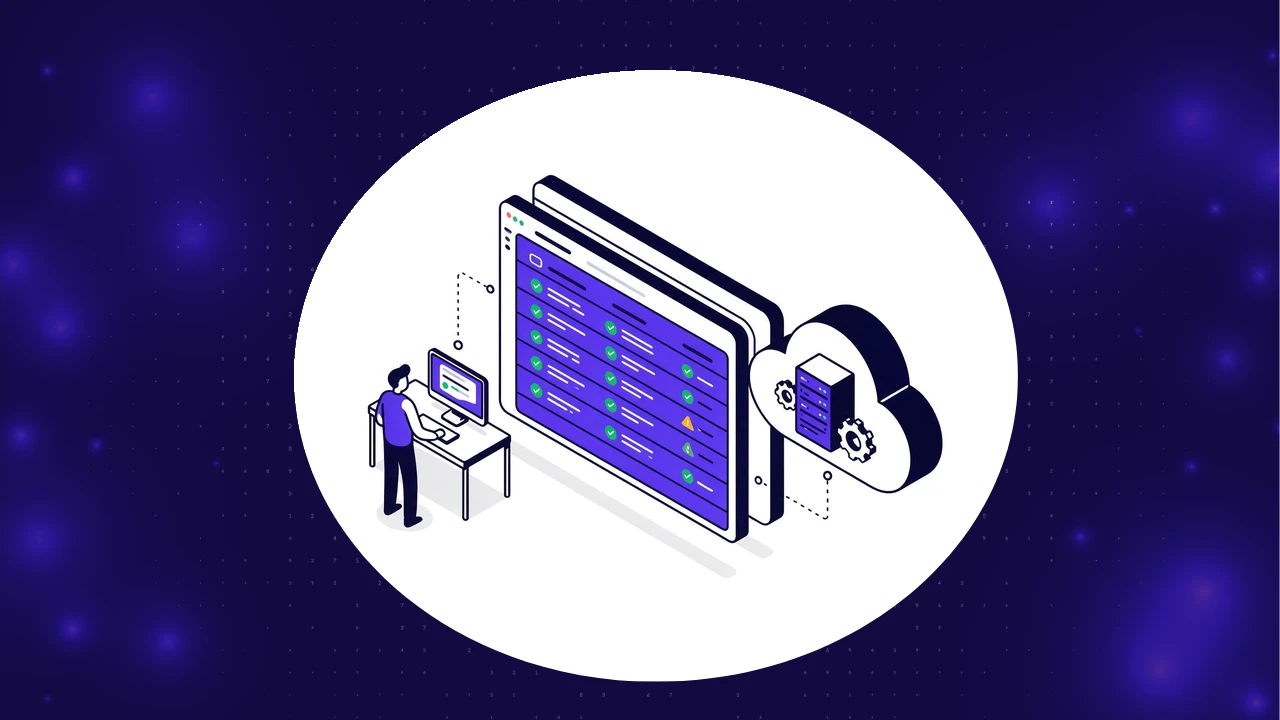
TL;DR: QA testing as a service means renting an external team and toolchain to run your software testing on demand, instead of hiring and managing testers in house. It works when you need to scale coverage fast or fill a skills gap, and it fails when your product changes hourly, context is hard to transfer, […]
Top AI agents stay reliable on only about a quarter of repeated tasks. Here is what agent failures cost, from rework to lawsuits, and how to catch them.
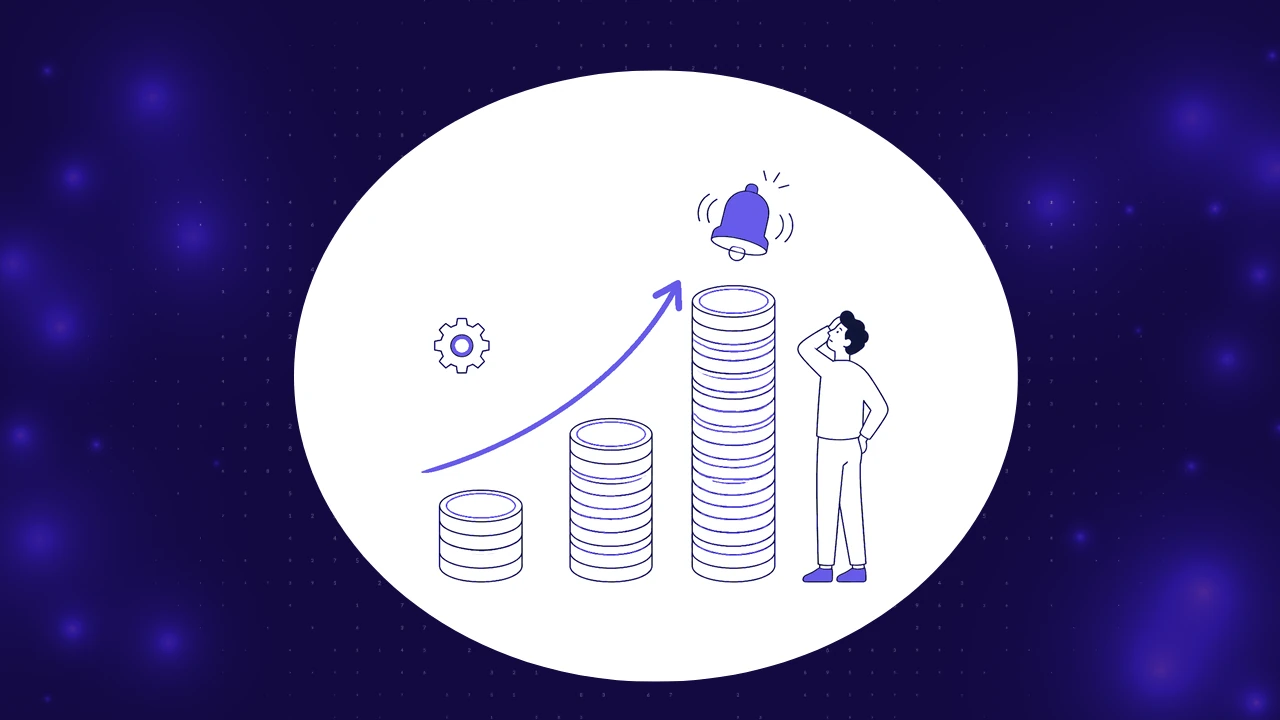
TL;DR: A defect found during production costs up to 100 times more to fix than one caught during design. The Consortium for Information and Software Quality (CISQ) estimates that poor software quality costs the United States $2.41 trillion annually. That figure includes operational failures, failed projects, technical debt, and cybersecurity breaches. This guide breaks down […]

TL;DR: The Software Development Life Cycle (SDLC) has seven phases: planning, requirement analysis, design, implementation, testing, deployment, and maintenance. Each phase has specific deliverables and quality checkpoints. Testing is not just Phase 5. Modern teams integrate quality checks across all seven phases through shift left and continuous testing approaches. This guide covers each phase with […]

TL;DR: Regression testing re-runs your existing tests after a code change to confirm that new work did not break something that already worked. It is the single strongest case for automation, because it is repetitive by definition, and it is what lets teams ship quickly without fear of undoing yesterday’s features. This guide covers what […]
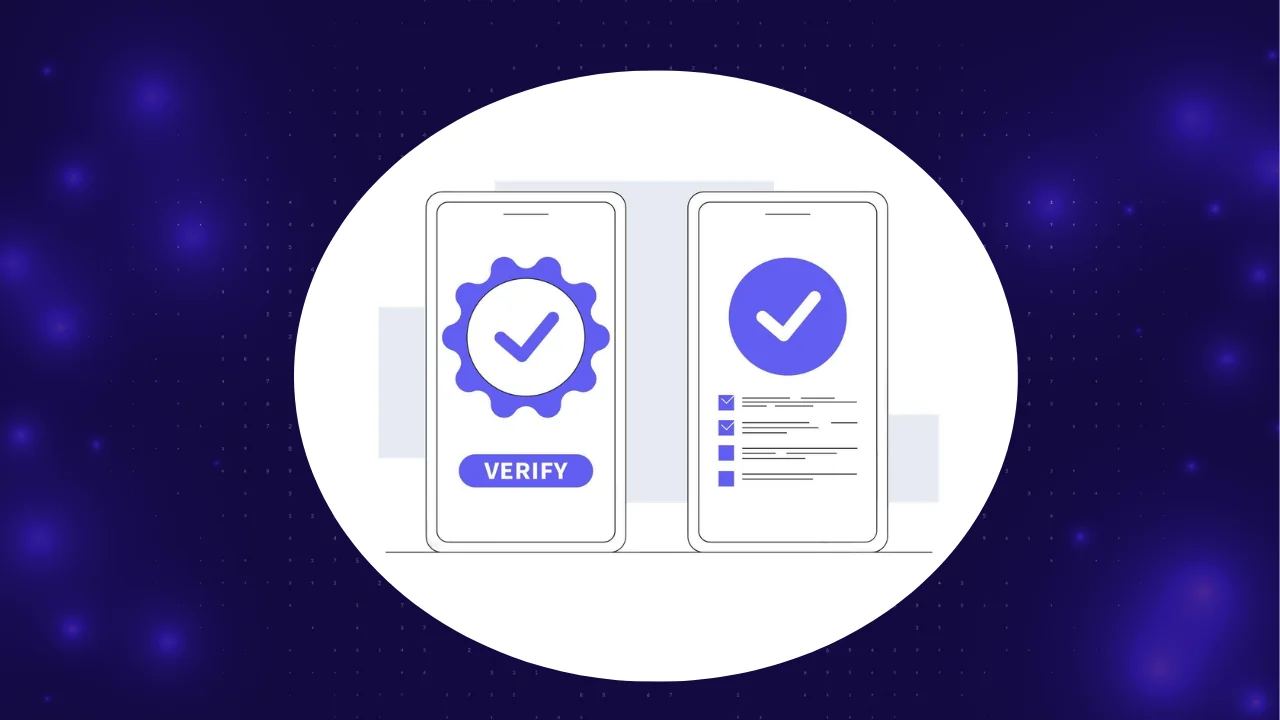
TL;DR: Verification asks are we building the product right, checking it against the specification without running it, while validation asks are we building the right product, checking it against real user needs by running it. Verification is static (reviews and inspections); validation is dynamic (testing the running software). You need both, and confusing them is […]

TL;DR: Severity measures how badly a defect damages functionality. Priority measures how urgently it needs to be fixed. They are not the same thing and confusing them costs teams real time. A misspelled company logo is low severity (no functional impact) but high priority (visible to every user). A crash on an obscure legacy browser […]
TL;DR: Forrester’s Total Economic Impact research documents test automation delivering 4.5x ROI over three years for enterprises, with an average payback period of 13 months. The largest value driver is not speed. It is defect avoidance. NIST data shows production defects cost 30 times more to fix than defects caught in development. This guide provides […]

We’ve all been there. The code is ready, the feature is built, and the finish line is in sight. But there’s one last hurdle: the QA bottleneck. Your testing team is swamped, manual regression is taking forever, and every minute spent waiting is a minute your product isn’t in the hands of users. In the […]

You’ve spent months, maybe even years, building your product. You’ve tested it internally, and you think it’s ready for the world. But how can you be sure? That’s where beta testing comes in. It’s the final round of testing before you release your product to a wide audience. It’s your chance to get feedback from […]
If you’re a QA, you’ve probably heard of a million different types of software testing. More than you could ever want to. There’s unit testing, integration testing, system testing, acceptance testing, performance testing, security testing… the list goes on and on (and on). It’s enough to make your head spin. And with so many different […]
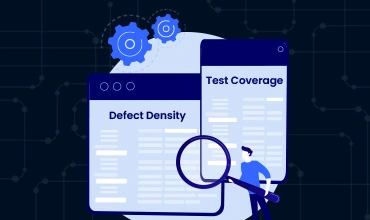
Time to confess: in the world of QA, we love our metrics (perhaps a bit too much). We track everything from test pass rates to bug resolution times. But when it comes to measuring the quality of our work, two metrics stand out: test coverage and defect density. For years, we’ve been told that these […]
- 1
- 2