
AI for QA: A Practical Guide to AI QA Testing
AI for QA explained: how to use AI to generate, run, and self-heal software tests from plain English. A practical 2026 adoption guide with steps and real limits.
Learn more
AI for QA explained: how to use AI to generate, run, and self-heal software tests from plain English. A practical 2026 adoption guide with steps and real limits.
Learn more
TL;DR: QA testing as a service means renting an external team and toolchain to run your software testing on demand, instead of hiring and managing testers in house. It works when you need to scale coverage fast or fill a skills gap, and it fails when your product changes hourly, context is hard to transfer, […]
Learn more
TL;DR: Automated E2E testing runs a real user journey through your whole application, front end to database and back, to prove the flows that matter actually work before customers touch them. It is the layer that catches the broken checkout, the failed login, and the payment that silently drops. The automation testing market reached USD […]
Learn more
Flaky tests in CI/CD waste pipeline time and hide real bugs. Fix root causes and quarantine, not retry, backed by 378M test records of benchmark data.
Learn more
Cypress to Playwright migration, explained for 2026: architecture, command mapping, a phased plan, AI codemods, cost savings, and when to stay with Cypress.
Learn more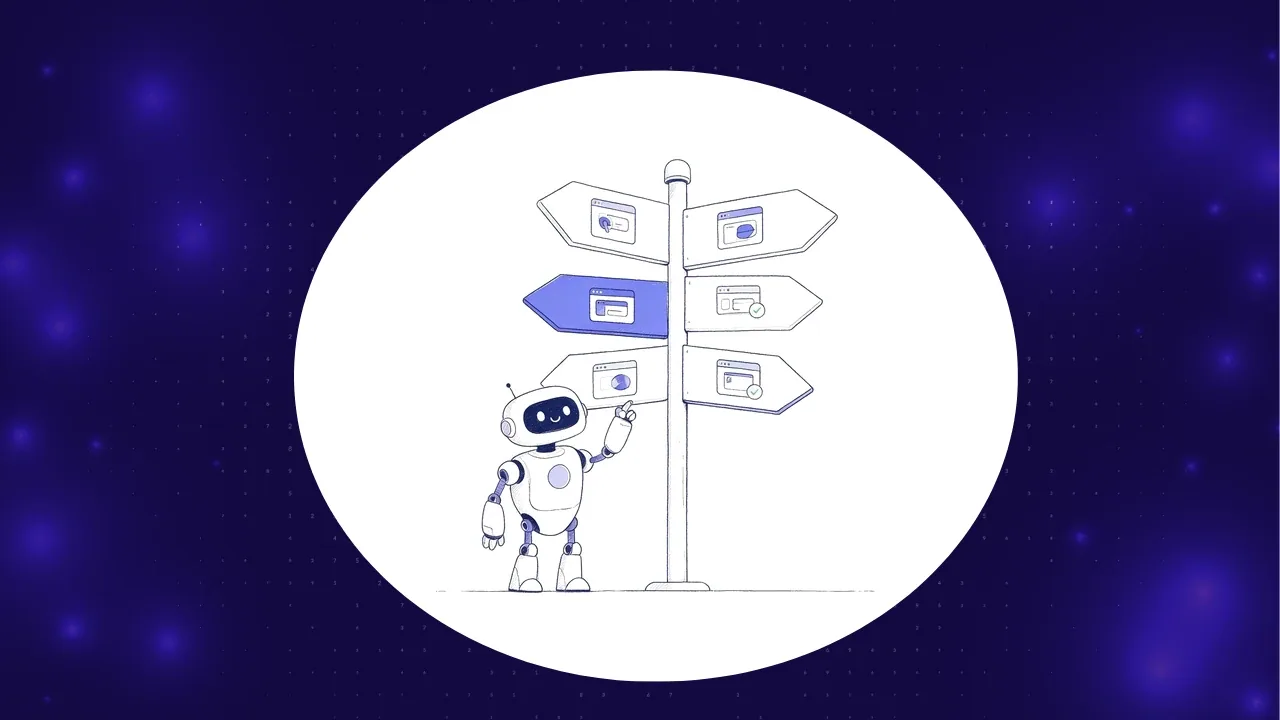
Tricentis Tosca alternatives for enterprise QA in 2026: compare 7 tools on cost, learning curve, lock-in and AI self-healing, plus where ContextQA fits.
Learn more
AI agent evaluation tools compared for 2026: LangSmith, Braintrust, Galileo, Arize, Langfuse, Patronus and more, by coverage, pricing model and best-fit use case.
Learn more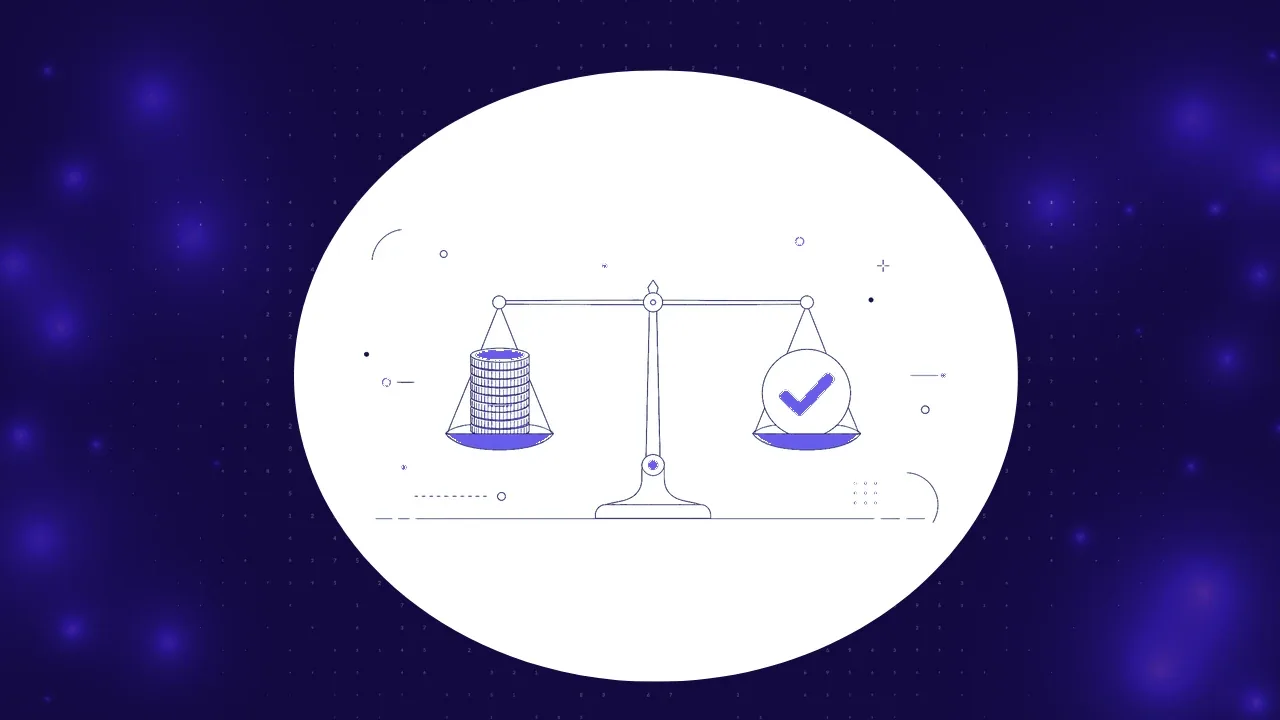
A benchmarked AI agent eval run with an LLM judge can hit $9,500. See the five real cost components of an evaluation practice and how to budget each.
Learn more
Top AI agents stay reliable on only about a quarter of repeated tasks. Here is what agent failures cost, from rework to lawsuits, and how to catch them.
Learn more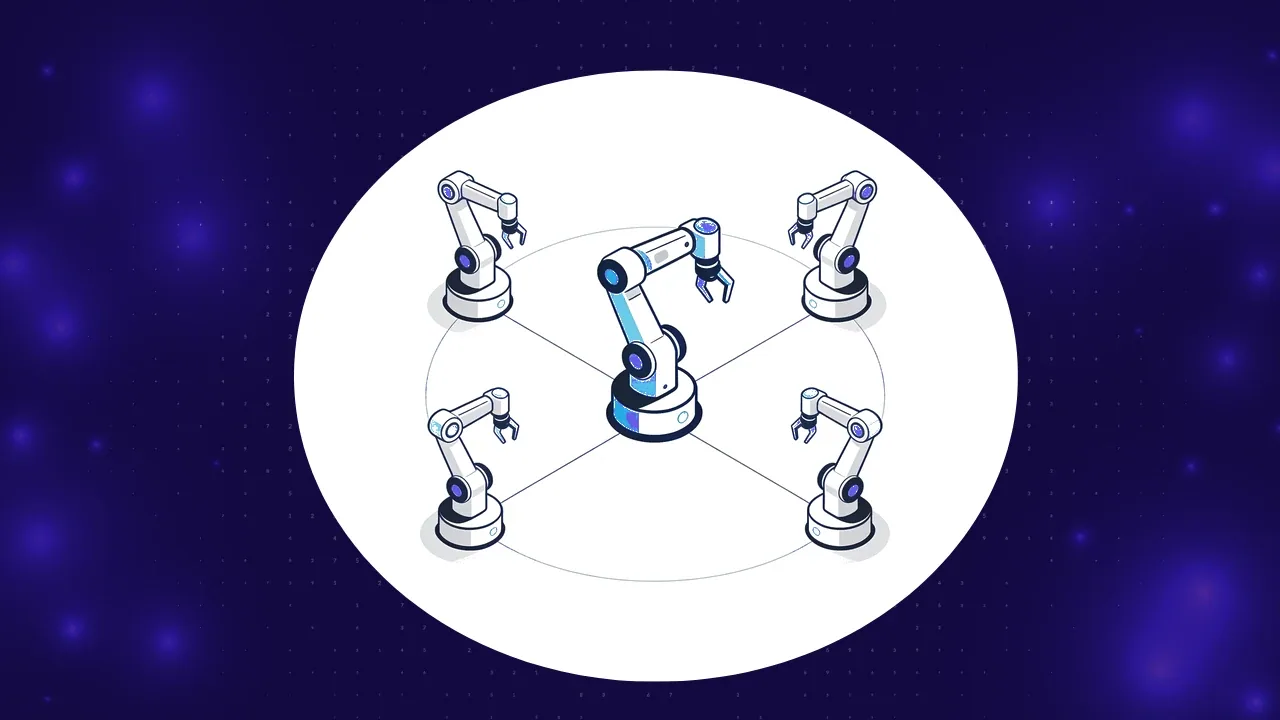
Multi-agent systems fail in ways single agents never do. A practical five-layer method to test agent handoffs, coordination, and version regressions.
Learn more
Agentic AI testing puts AI in the tester seat. AI agent testing puts the AI on the operating table. Here is the exact difference, with a comparison table.
Learn more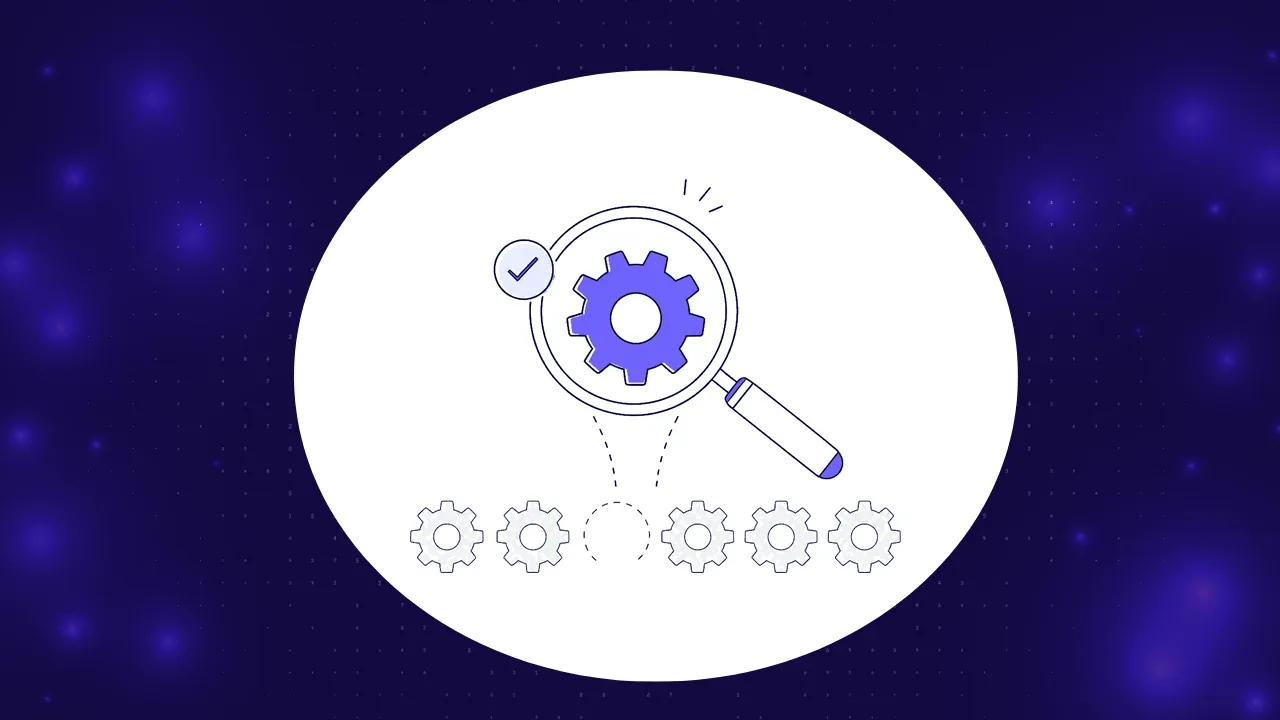
TL;DR: Learning how to write JUnit test cases comes down to one pattern: arrange the state, act on one method, assert one outcome. JUnit 5 remains the production standard, and JUnit 6.0.0 (released September 30, 2025) raises the baseline to Java 17, unifies versioning across all modules, and adds native Kotlin suspend support. This guide […]
Learn moreYou can browse without choosing. Manage optional cookies and similar technologies below. Necessary features stay on.
Browser privacy signals may restrict optional tracking. Privacy policy