

Flaky tests in CI/CD waste pipeline time and hide real bugs. Fix root causes and quarantine, not retry, backed by 378M test records of benchmark data.

Cypress to Playwright migration, explained for 2026: architecture, command mapping, a phased plan, AI codemods, cost savings, and when to stay with Cypress.
Tricentis Tosca alternatives for enterprise QA in 2026: compare 7 tools on cost, learning curve, lock-in and AI self-healing, plus where ContextQA fits.
A benchmarked AI agent eval run with an LLM judge can hit $9,500. See the five real cost components of an evaluation practice and how to budget each.
Multi-agent systems fail in ways single agents never do. A practical five-layer method to test agent handoffs, coordination, and version regressions.
TL;DR: Learning how to write JUnit test cases comes down to one pattern: arrange the state, act on one method, assert one outcome. JUnit 5 remains the production standard, and JUnit 6.0.0 (released September 30, 2025) raises the baseline to Java 17, unifies versioning across all modules, and adds native Kotlin suspend support. This guide […]
TL;DR: The BDD testing tools landscape changed more in the last two years than in the previous ten: SpecFlow, the .NET standard, was discontinued and reborn as Reqnroll, and AI platforms now deliver BDD’s collaboration benefits without Gherkin maintenance. This 2026 list ranks the 10 BDD testing tools worth evaluating: ContextQA, Cucumber, Reqnroll, Behave, Karate, […]
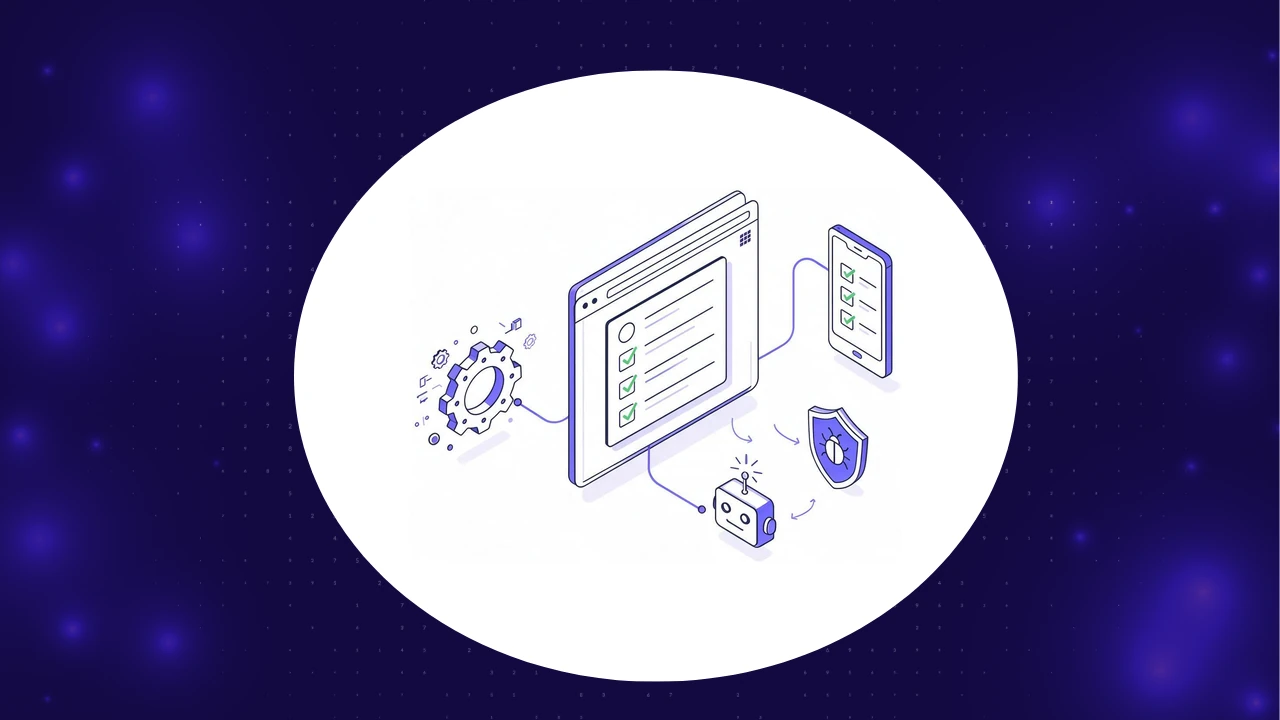
These tools use artificial intelligence as the core testing engine, not just an add on feature. They generate tests, heal broken selectors, classify failures, and select which tests to run on each build.

Selenium to Playwright migration, step by step: why teams switch, what changes, how to migrate in waves, common mistakes, and whether to skip to codeless testing.

TL;DR: Web application testing is how you verify that a web app works correctly, quickly, safely, and consistently across every browser and device before users hit it. It spans six types: functional, cross-browser, performance, security, accessibility, and API testing. This guide covers what to test, how to test it step by step, the manual-versus-automated split, […]

Open source vs commercial testing tools: the real total cost of ownership, hidden costs of free frameworks, where each wins, and how to choose by team fit.

TL;DR: Mobile app security testing validates that an app protects user data, resists common attacks, and meets compliance standards across iOS and Android. The OWASP Mobile Top 10 (2024 update) defines the most critical risk categories. This guide covers practical testing methods from static analysis to dynamic scanning, API security validation, and how ContextQA integrates […]