

Agentic AI testing puts AI in the tester seat. AI agent testing puts the AI on the operating table. Here is the exact difference, with a comparison table.

TL;DR: Learning how to write JUnit test cases comes down to one pattern: arrange the state, act on one method, assert one outcome. JUnit 5 remains the production standard, and JUnit 6.0.0 (released September 30, 2025) raises the baseline to Java 17, unifies versioning across all modules, and adds native Kotlin suspend support. This guide […]

TL;DR: The BDD testing tools landscape changed more in the last two years than in the previous ten: SpecFlow, the .NET standard, was discontinued and reborn as Reqnroll, and AI platforms now deliver BDD’s collaboration benefits without Gherkin maintenance. This 2026 list ranks the 10 BDD testing tools worth evaluating: ContextQA, Cucumber, Reqnroll, Behave, Karate, […]

TL;DR: Learning how to use AI to automate tasks is the highest-value skill shift in software development right now. GitHub’s controlled research found developers complete tasks 55% faster with AI assistance, and that is only the authoring side: the bigger wins hide in code review, test maintenance, debugging triage, and pipeline time, where AI removes […]

TL;DR: A defect found during production costs up to 100 times more to fix than one caught during design. The Consortium for Information and Software Quality (CISQ) estimates that poor software quality costs the United States $2.41 trillion annually. That figure includes operational failures, failed projects, technical debt, and cybersecurity breaches. This guide breaks down […]

These tools use artificial intelligence as the core testing engine, not just an add on feature. They generate tests, heal broken selectors, classify failures, and select which tests to run on each build.
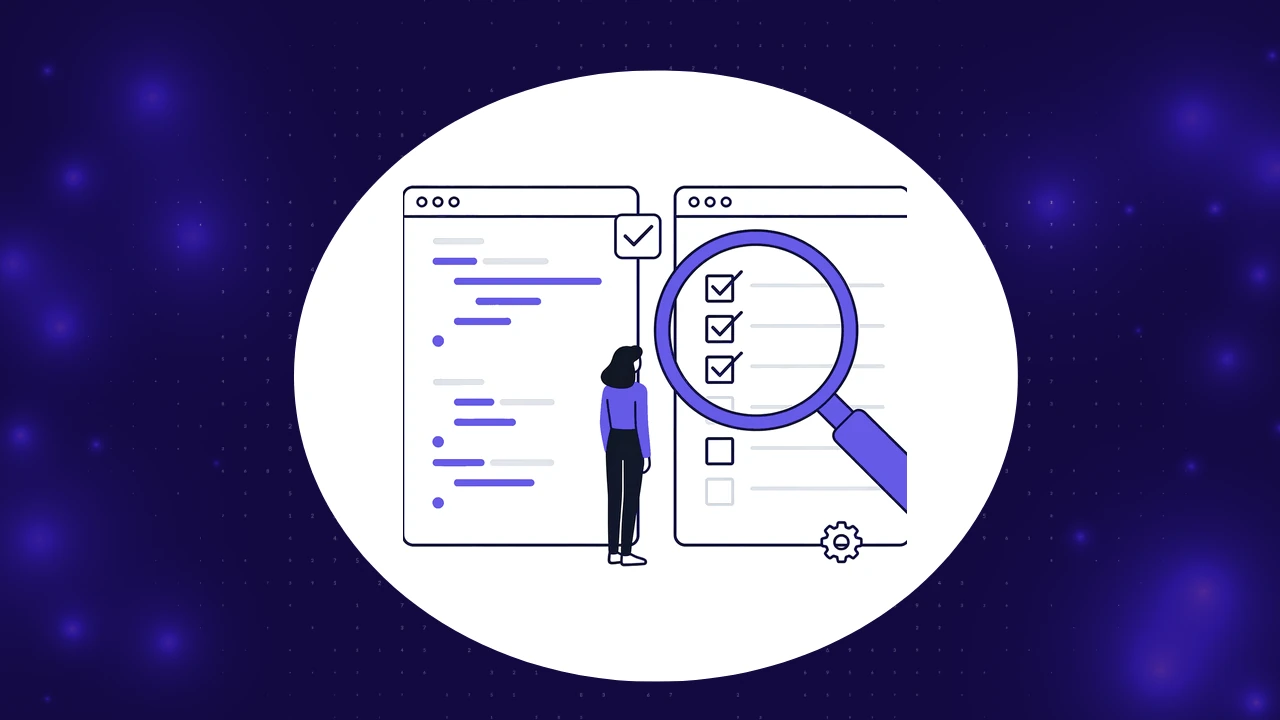
TL;DR: Yes, test code deserves the same review discipline as production code. A test review is a structured inspection of test design, coverage, and implementation, and it catches the failures code review cannot see: tests that assert nothing, coverage that misses the risky path, and flaky patterns that erode trust in the suite. Teams that […]

The 1:3 QA-to-developer ratio is breaking as AI writes the tests. The ratios that work now, real salary math at a $102k median, and a restructuring path that upgrades people instead of cutting them.

95 percent of pilots fail without pass criteria. The 30-day test automation POC framework: who to involve, week-by-week gates, measurable exit criteria, and the mistakes to design out.

Real test automation pricing: published 2026 rates, per-seat versus parallel versus usage models, the hidden costs that dominate 3-year TCO, and worked math for a 5-engineer team.

Most test automation RFP templates miss the criteria that separate AI vendors. The full structure, a 100-point weighted scorecard, and the questions that expose weak vendors early.

Microsoft is removing VBScript, the language every UFT One test runs on. What breaks and when, what staying costs, the three realistic exit paths, and a 90-day migration plan.