
Test automation for regulated industries: how to test security, privacy, access, and accessibility while keeping an audit-ready evidence trail across HIPAA, PCI, and GDPR.
Selenium to Playwright migration, step by step: why teams switch, what changes, how to migrate in waves, common mistakes, and whether to skip to codeless testing.
Chatbot testing explained: how to QA conversational AI for hallucinations, lost context, intent, safety, and fallback, with a test loop, metrics, and checklist.

TL;DR: The Software Development Life Cycle (SDLC) has seven phases: planning, requirement analysis, design, implementation, testing, deployment, and maintenance. Each phase has specific deliverables and quality checkpoints. Testing is not just Phase 5. Modern teams integrate quality checks across all seven phases through shift left and continuous testing approaches. This guide covers each phase with […]
An AI testing platform buyer’s guide: the 5 evaluation dimensions, 12 questions to ask vendors, a scorecard, red flags, and how to trial before you buy.

TL;DR: Web application testing is how you verify that a web app works correctly, quickly, safely, and consistently across every browser and device before users hit it. It spans six types: functional, cross-browser, performance, security, accessibility, and API testing. This guide covers what to test, how to test it step by step, the manual-versus-automated split, […]
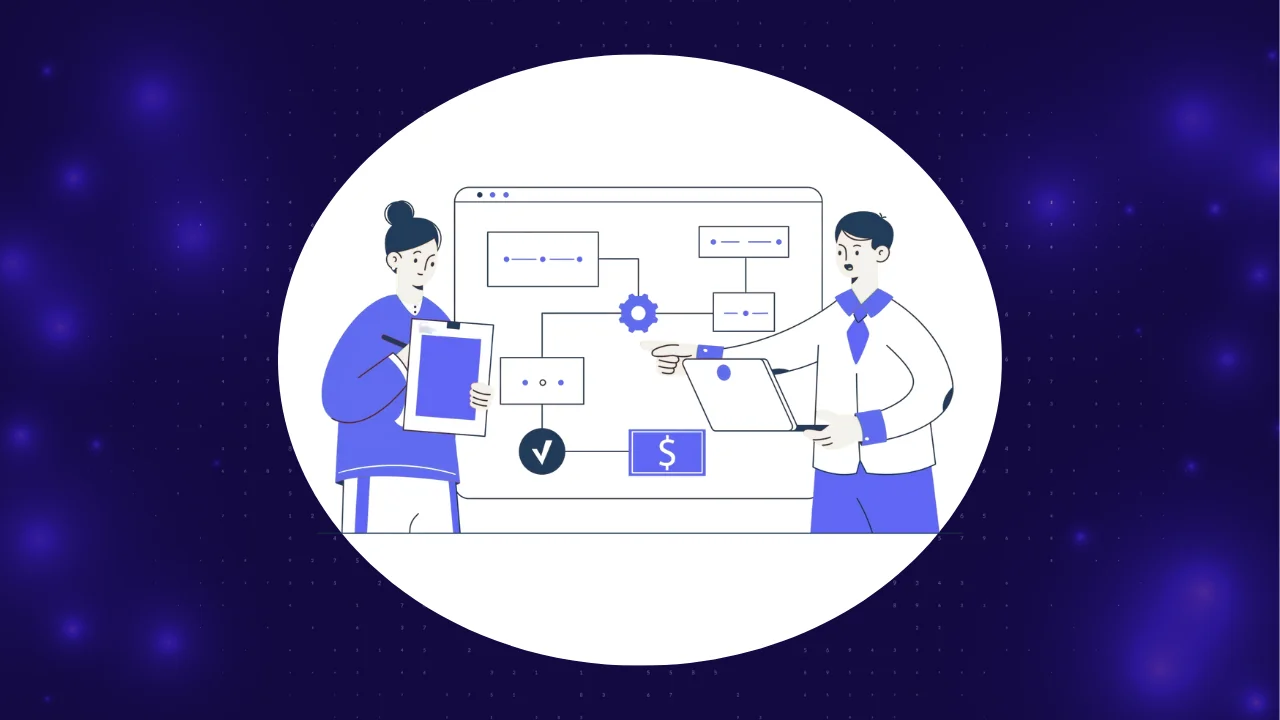
Build vs buy test automation in 2026: the real cost model, the hidden in-house costs, and a five-question framework to decide fast. A data-backed buyer’s guide.

TL;DR: Regression testing re-runs your existing tests after a code change to confirm that new work did not break something that already worked. It is the single strongest case for automation, because it is repetitive by definition, and it is what lets teams ship quickly without fear of undoing yesterday’s features. This guide covers what […]
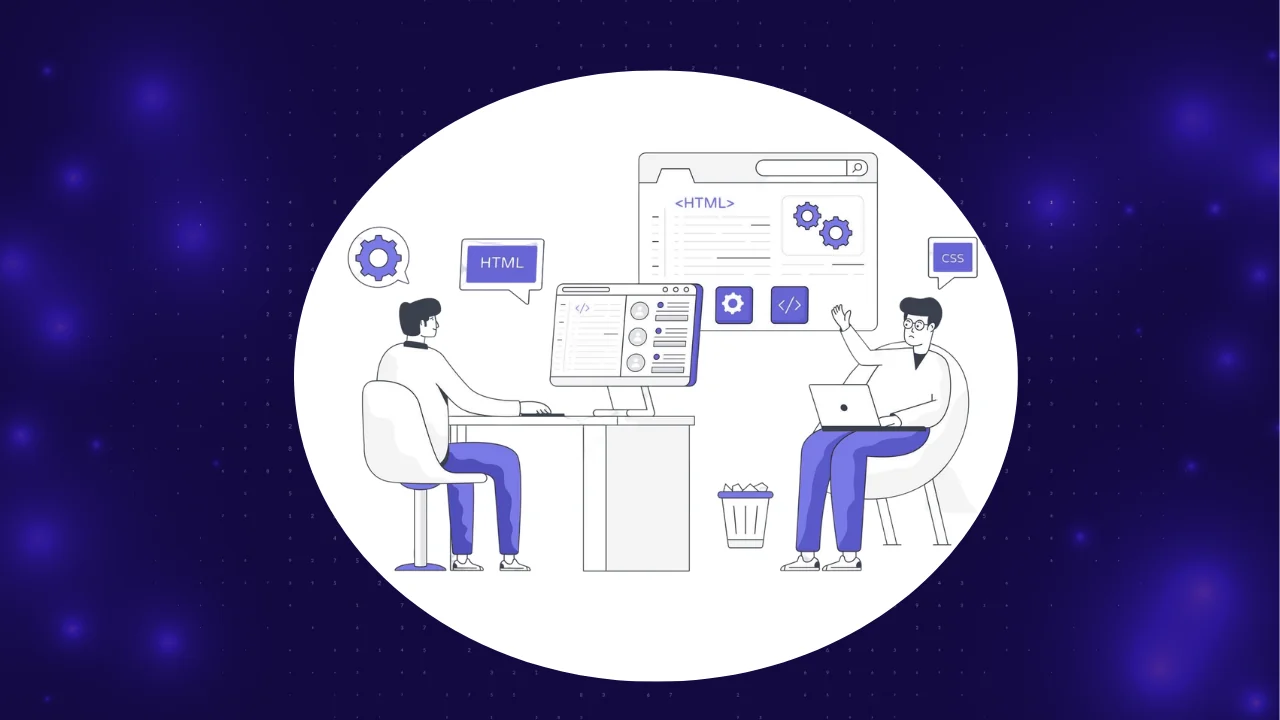
Open source vs commercial testing tools: the real total cost of ownership, hidden costs of free frameworks, where each wins, and how to choose by team fit.

TL;DR: Mobile app security testing validates that an app protects user data, resists common attacks, and meets compliance standards across iOS and Android. The OWASP Mobile Top 10 (2024 update) defines the most critical risk categories. This guide covers practical testing methods from static analysis to dynamic scanning, API security validation, and how ContextQA integrates […]
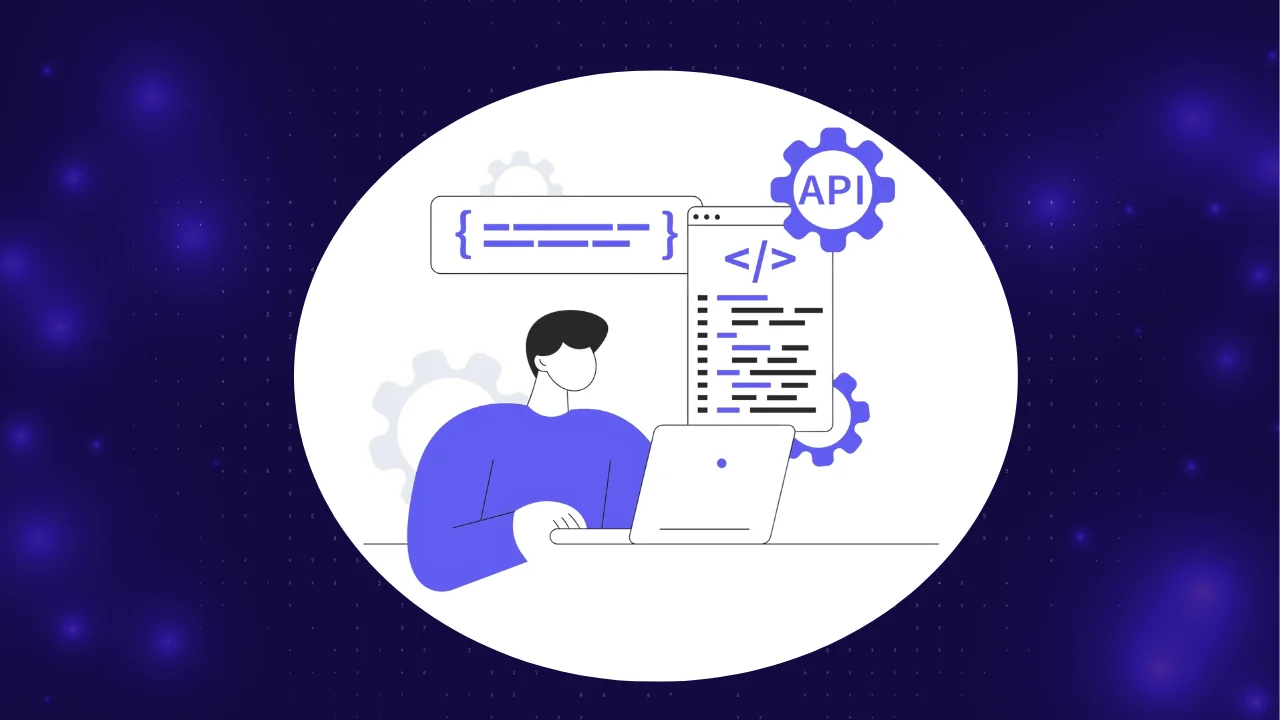
API testing with Chrome DevTools: how to inspect requests, replay calls, copy as fetch, mock responses, and throttle the network, plus when to automate instead.
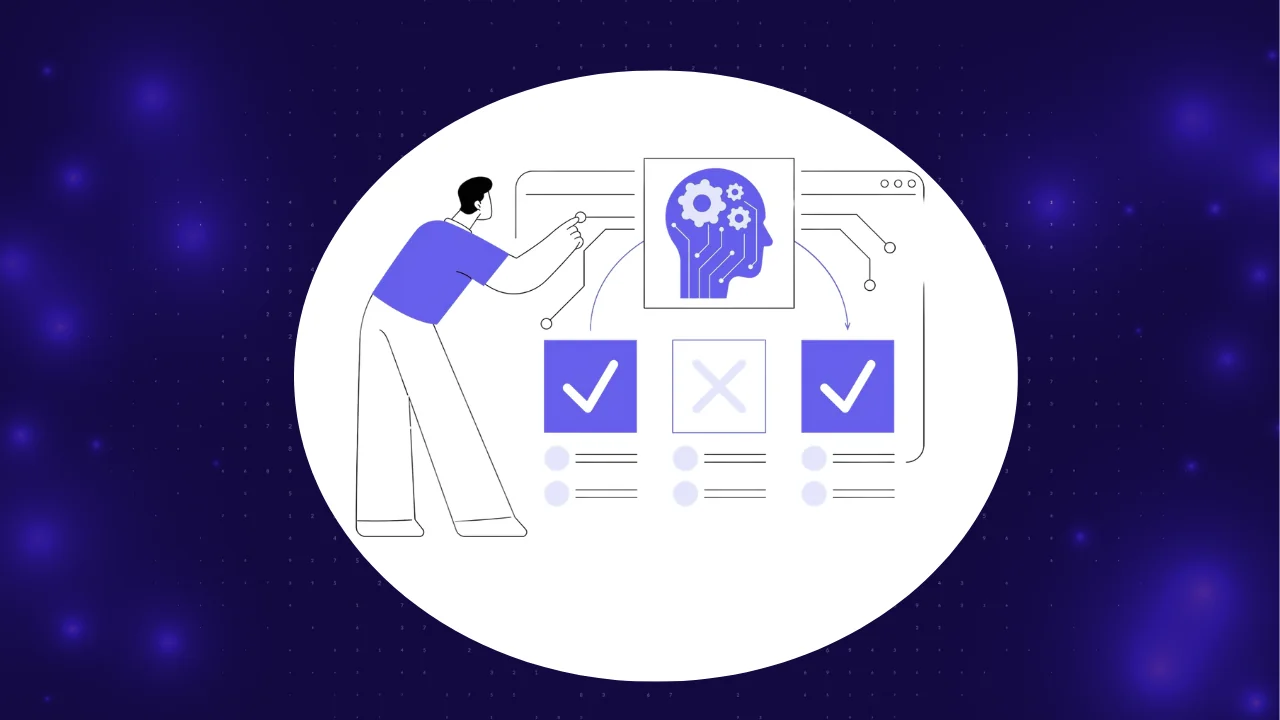
JavaScript vs TypeScript for test automation: when to use each, what TypeScript gives your test code, a comparison table, and how to migrate a suite gradually.