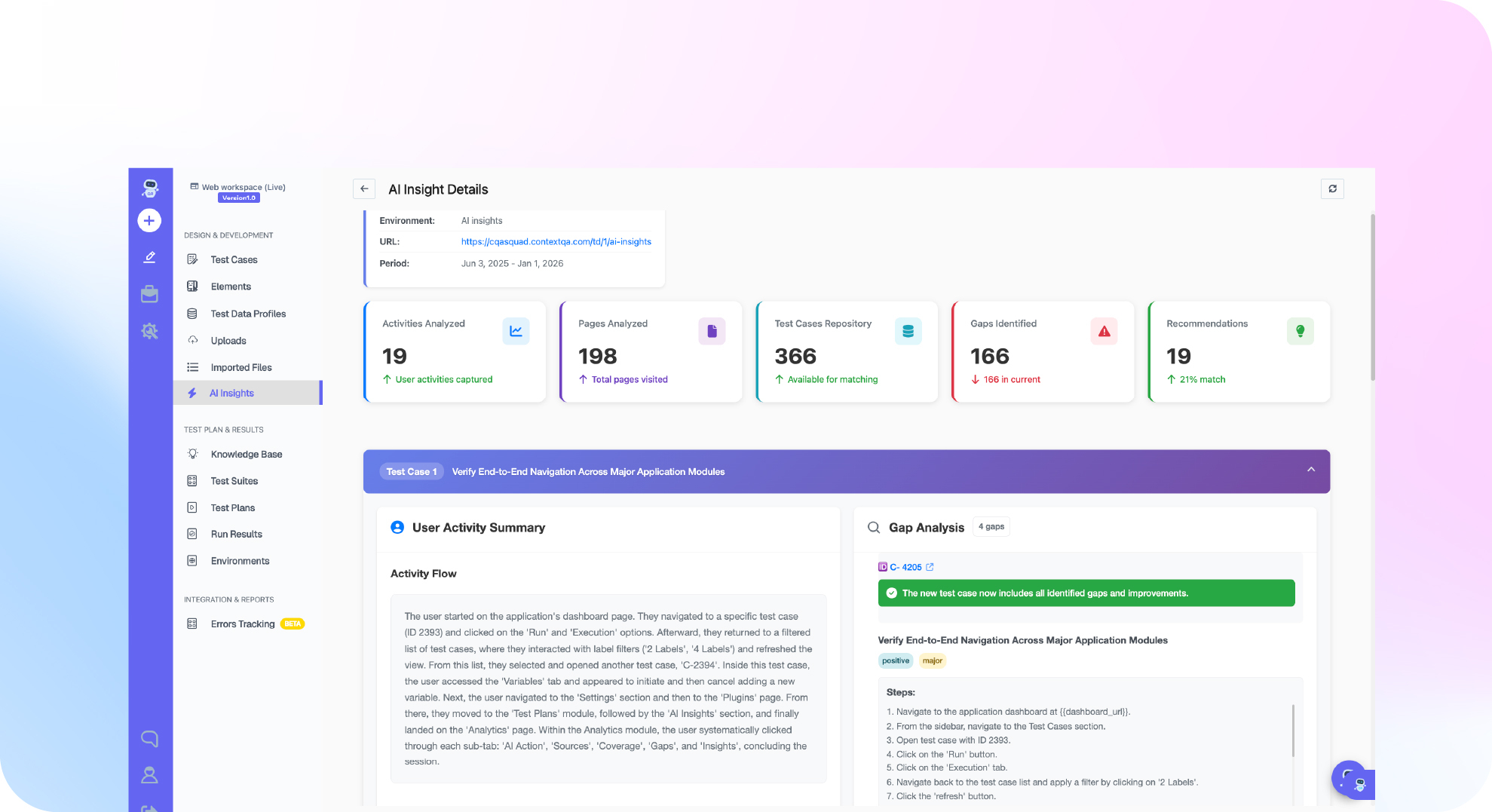

TL;DR: An AI QA platform uses AI to author, run, and maintain tests, adding plain-English test creation, self-healing, and root-cause analysis on top of cross-browser execution. Around 72% of QA teams now use AI but only 15% have scaled it, and a platform built around AI is how you close that gap. This guide covers the 2026 adoption data, the must-have capabilities, how platforms compare, and how to choose.
Quick answers
What is an AI QA platform? Software that uses AI to author, run, and maintain automated tests, typically with self-healing and root-cause analysis.
Why switch to an AI QA platform? Traditional automation is costly to maintain and flaky. About 72% of teams use AI, but only 15% have scaled it.
What should you look for in one? Self-healing tests, no-code authoring, cross-browser coverage, CI/CD integration, and automated root-cause analysis.
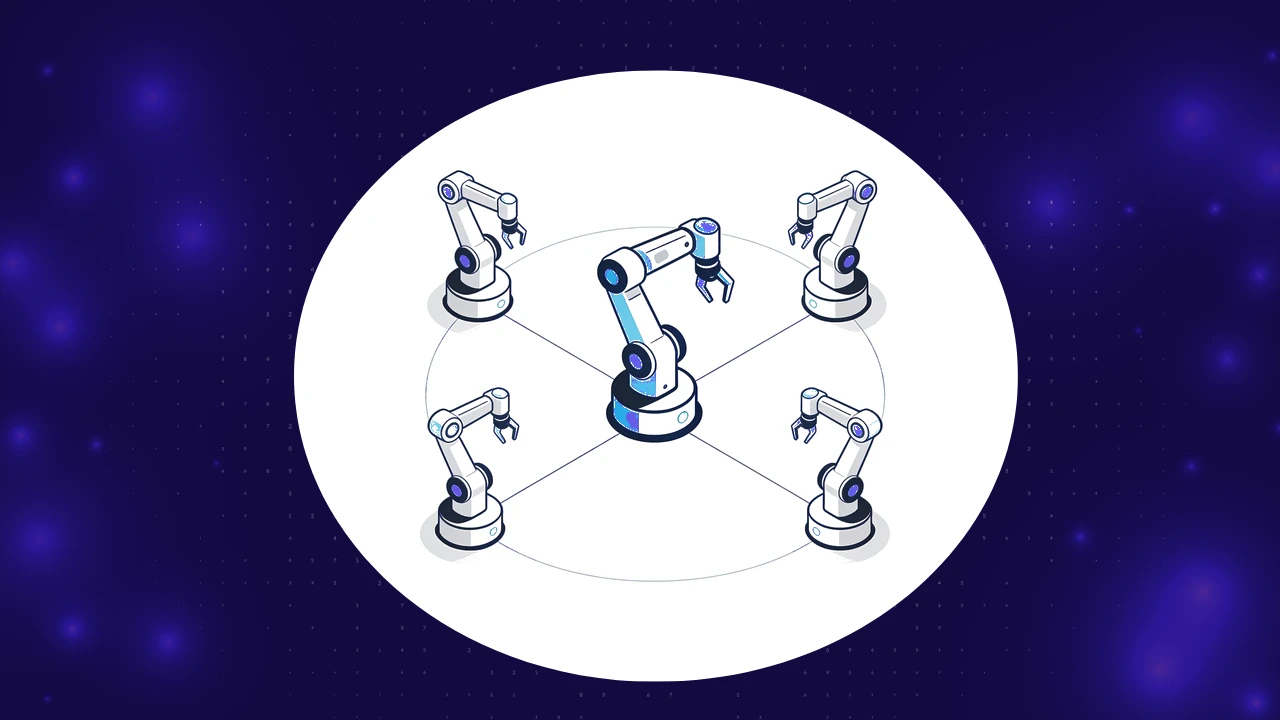
Let’s be real, traditional test automation is a grind. Writing and maintaining scripts is a time-suck, and flaky tests can drive even the most patient developer insane. It’s no wonder that teams are ditching their old-school tools and switching to AI-powered QA platforms.
But with so many options out there, how do you choose the best AI QA platform for test automation? And what’s all the hype about anyway? In this post, we’ll break down what makes an AI QA platform great and why so many teams are making the switch to ContextQA.

The state of AI in QA in 2026
AI in testing has crossed from experiment to expectation. The World Quality Report and related industry surveys put adoption at roughly 72% of QA teams now using AI, and about 89% of organizations piloting or deploying generative AI in quality engineering. Yet only around 15% have scaled it enterprise-wide. That gap, between everyone trying AI and few operationalizing it, is exactly the problem an AI QA platform is built to close.
The lesson in those numbers is that pilots are easy and scale is hard. Teams that bolt a single AI feature onto an old workflow stall; teams that adopt a platform designed around AI, from authoring to maintenance to triage, are the ones that reach production-grade automation.
Why Traditional Test Automation is Broken

For years, the go-to solution for test automation was writing scripts. But as applications have become more complex and release cycles have gotten shorter, the cracks in this approach have started to show. Here are just a few of the problems with traditional test automation:
- It’s slow: Writing and maintaining scripts is a time-consuming process. And when you’re trying to move fast, the last thing you want is for your tests to slow you down.
- It’s brittle: Even a small change to your UI can break a test script. This leads to flaky tests and a lot of wasted time debugging.
- It requires specialized skills: Not everyone on your team is a coding wizard. This can create a bottleneck where only a few people are able to write and maintain tests.
This is where AI comes in. The best AI QA platforms for test automation can solve all of these problems and more. The right one will help you create and maintain tests faster, reduce flakiness, and empower your entire team to contribute to quality.
What to Look for in an AI QA Platform
Not all AI QA platforms will be right for you. Here are a few key features to look for when you’re evaluating your options:
No-Code/Low-Code Test Creation
One of the biggest advantages of an AI-powered platform is the ability to create tests without writing code. This is a game-changer for teams that want to move fast and empower everyone to contribute to quality. With a no-code/low-code platform like ContextQA, you can create tests by simply recording your actions in the browser. It’s that easy.
Self-Healing Tests
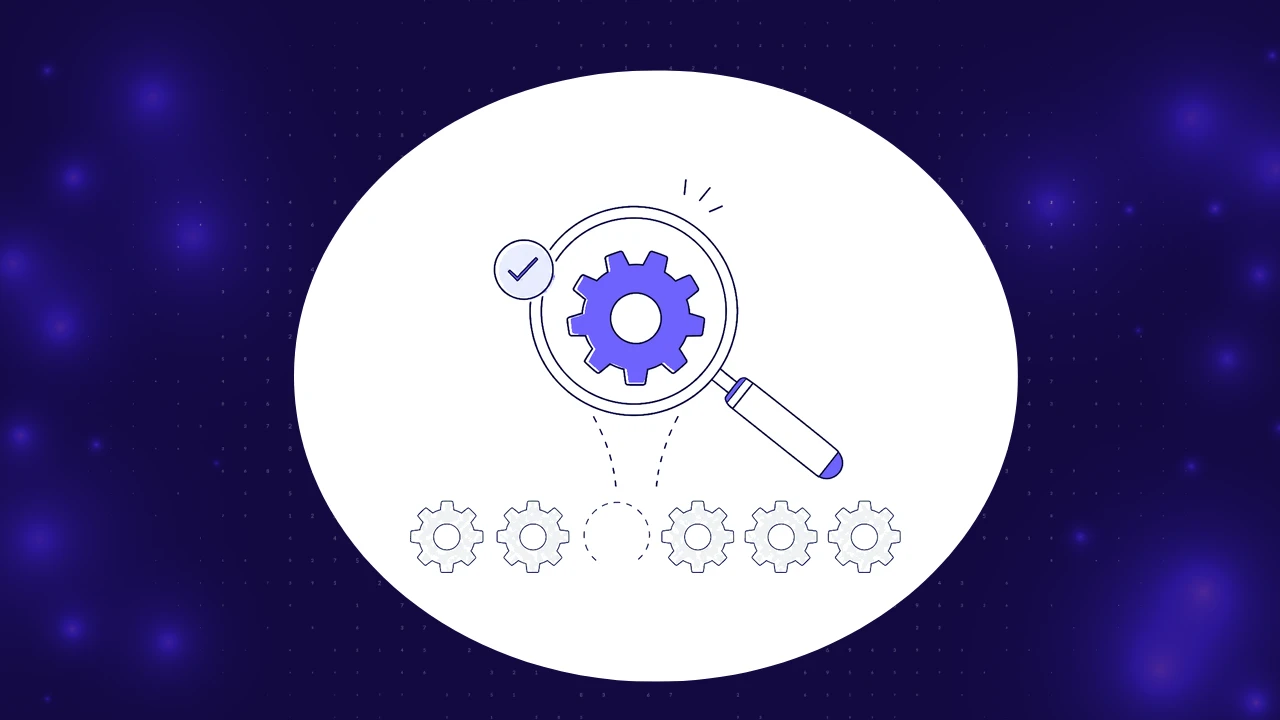
This is where the AI really shines. A self-healing test can automatically adapt to changes in your UI, so you don’t have to waste time updating your tests every time you make a change. This is a huge time-saver and can dramatically reduce the flakiness of your tests. For more on this, check out our post on how to reduce manual regression testing.
Visual Regression Testing
Sometimes a bug isn’t a functional bug, it’s a visual one. A button that’s out of place, a color that’s wrong, or a layout that’s broken can all have a negative impact on the user experience. That’s why visual regression testing is so important. It automatically compares screenshots of your UI to detect any unintended changes.
Cross-Browser and Cross-Device Testing
Your users are accessing your application on a wide range of browsers and devices. You need to be confident that your application works flawlessly on all of them. The best AI QA platform for test automation will allow you to easily run your tests across a wide range of browsers and devices without any extra setup. This is where cross-browser testing and mobile automation come in handy.
CI/CD Integration
Your tests should be an integral part of your development workflow. That’s why it’s so important to choose a platform that integrates with your existing CI/CD pipeline. This will allow you to automatically run your tests every time you push a new build, so you can catch bugs early and often. For more on this, check out our post on CI/CD pipeline implementation.
How an AI QA platform compares to the alternatives
Every testing approach trades ease of use against capability. Code frameworks are powerful but demand engineering time; record-and-replay tools are easy but brittle; manual testing is flexible but does not scale. An AI QA platform is designed to land in the top-right: high capability without the maintenance tax.
The differentiator is maintenance. AI self-healing re-identifies elements when the UI changes, which is what stops an AI platform from decaying into the same flaky mess that makes teams abandon scripted automation. For a broader view of the landscape, see our roundup of the best test automation tools.
Why Teams Are Switching to ContextQA
So, what is the best AI QA platform for test automation? While there are a lot of great options out there, we believe that ContextQA is a fantastic option for most teams. Here’s why:
- It’s easy to use: With our no-code/low-code platform, anyone on your team can create and maintain tests.
- It’s powerful: Our AI-powered features, like self-healing tests and visual regression testing, will help you create more robust and reliable tests.
- It’s flexible: We support a wide range of testing types, including web, mobile, and API testing.
- It’s scalable: Our platform is built to handle the needs of even the largest and most complex applications.
How to choose an AI QA platform
Cut through vendor claims with three checks, in order.
- Trial it on your own app, not the polished demo. Real apps expose brittleness fast.
- Stress the maintenance story. Change a selector and see whether tests self-heal or break.
- Score total cost of ownership, license plus the people-hours to keep tests green.
The best AI QA platform is the one your whole team can use and trust on every release, not the one with the longest feature list.
AI QA platform FAQs
What is an AI QA platform? An AI QA platform uses artificial intelligence to author, run, and maintain automated tests. It typically adds plain-English test creation, self-healing that survives UI changes, and automated root-cause analysis on top of cross-browser execution.
Why are teams switching to AI QA platforms? Because traditional automation is expensive to maintain and flaky. Around 72% of QA teams now use AI, but only 15% have scaled it, and a platform built around AI is how teams close that gap.
What should you look for in an AI QA platform? Self-healing tests, no-code or plain-English authoring, cross-browser and device coverage, CI/CD integration, and automated root-cause analysis. Maintenance behavior matters most, because it drives long-term cost.
Is an AI QA platform better than a framework like Selenium? It depends on the team. Frameworks give engineers full code control; AI platforms cut maintenance and let non-coders contribute. Many teams use a platform for breadth and a framework for edge cases.
Can AI replace QA engineers? No. AI removes repetitive authoring and maintenance so QA engineers focus on test strategy, exploratory testing, and the judgment calls that AI cannot make.
How much does an AI QA platform cost? Pricing varies by vendor and scale. Evaluate total cost of ownership, the license plus the people-hours to keep tests green, rather than the sticker price alone.
The Future of Test Automation is Here
The days of writing and maintaining brittle test scripts are over. The future of test automation is AI-powered, and it’s here to stay. By choosing the best AI QA platform for test automation, you can empower your team to move faster, reduce flakiness, and build higher-quality products. And with a platform like ContextQA, you can do it all without writing a single line of code.
Ready to make the switch? Book a demo today to learn more about how ContextQA can help you take your test automation to the next level.